Look, I’ll be honest. My first attempt at French cooking was a disaster of epic proportions. We’re talking rubbery chicken, a sauce that broke, and a kitchen that looked like a flour bomb went off. I almost gave up. But then I realized something—the recipes in those pristine, perfect-looking cookbooks were missing the point. French food isn’t about being perfect. It’s about being delicious. It’s about the process. So, after years of trial and a lot of error, here are the 10 recipes that actually work, that actually taste like France, and won’t make you want to throw your whisk across the room.
Just so we’re on the same page:
- This is for… anyone who’s stared longingly at a bistro menu and thought, “I wish I could make that.”
- Heads up: You will use a lot of butter. And wine. Embrace it.
- The one I make most? Honestly, the omelette. It’s my 10pm “I’m hungry but want something fancy” go-to.
- Don’t skip the… Tartiflette. It sounds intimidating but it’s just potatoes, bacon, and cheese. What could go wrong?
How This List Came Together (The Real Story)
I tested these in my very-not-professional kitchen over the last… oh, I don’t know, five years? I’ve got a decent gas stove but the oven runs hot. I’m not a chef, I’m just a person who really, really likes to eat. I’ve made these for dates, for my parents, for potlucks where I wanted to show off. The ones that didn’t cut? A soulless Bouillabaisse and a Salade Niçoise that just made me sad. These are the winners.
The Real-Deal, No-BS List
1. Let’s talk about Coq au Vin.
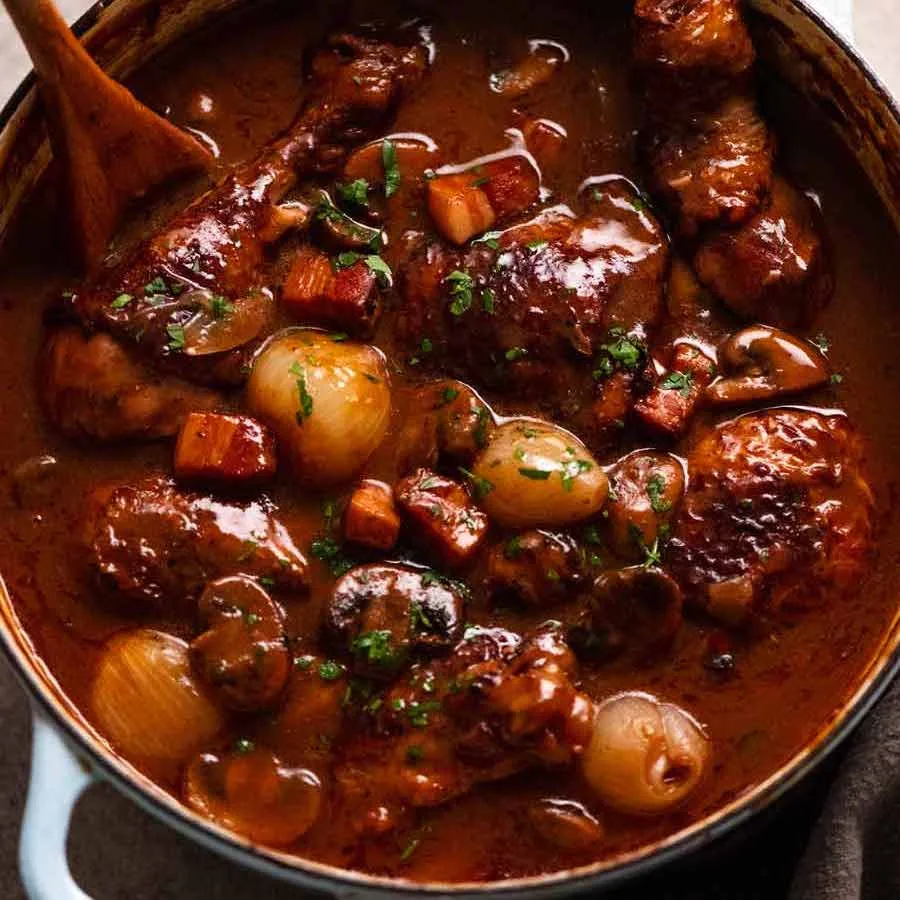
You know how some dishes just smell like comfort? This is that. The first time I got it right, I swear I saw a tiny, approving French grandmother in my kitchen. It’s basically chicken, bacon, mushrooms, and onions stewed in red wine for so long that everything just gives up and becomes tender. The whole “flambé with brandy” part is optional but highly recommended for the drama. My one tip: Don’t rush the onions at the start. Let them get properly golden. That’s where the flavor lives.
2. Steak Frites.
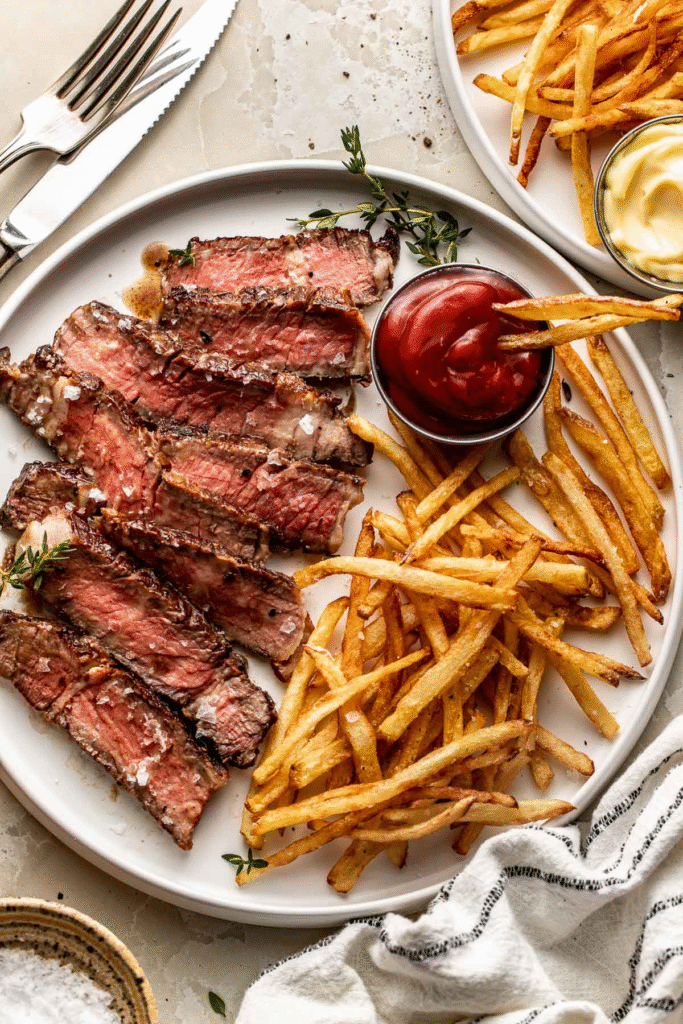
The problem: Most home-cooked steak is fine, but the fries are always a letdown. The solution: The double-fry method. Yeah, it’s a pain. But it’s the secret. Fry them once at a lower temp to cook the inside, let them rest, then fry them again at a screaming high heat to get them crispy. For the steak, a simple pan sauce with the drippings, a shallot, and a knob of butter is all you need. It’s a project, but my god, is it a satisfying one.
3. Soupe à l’Oignon.
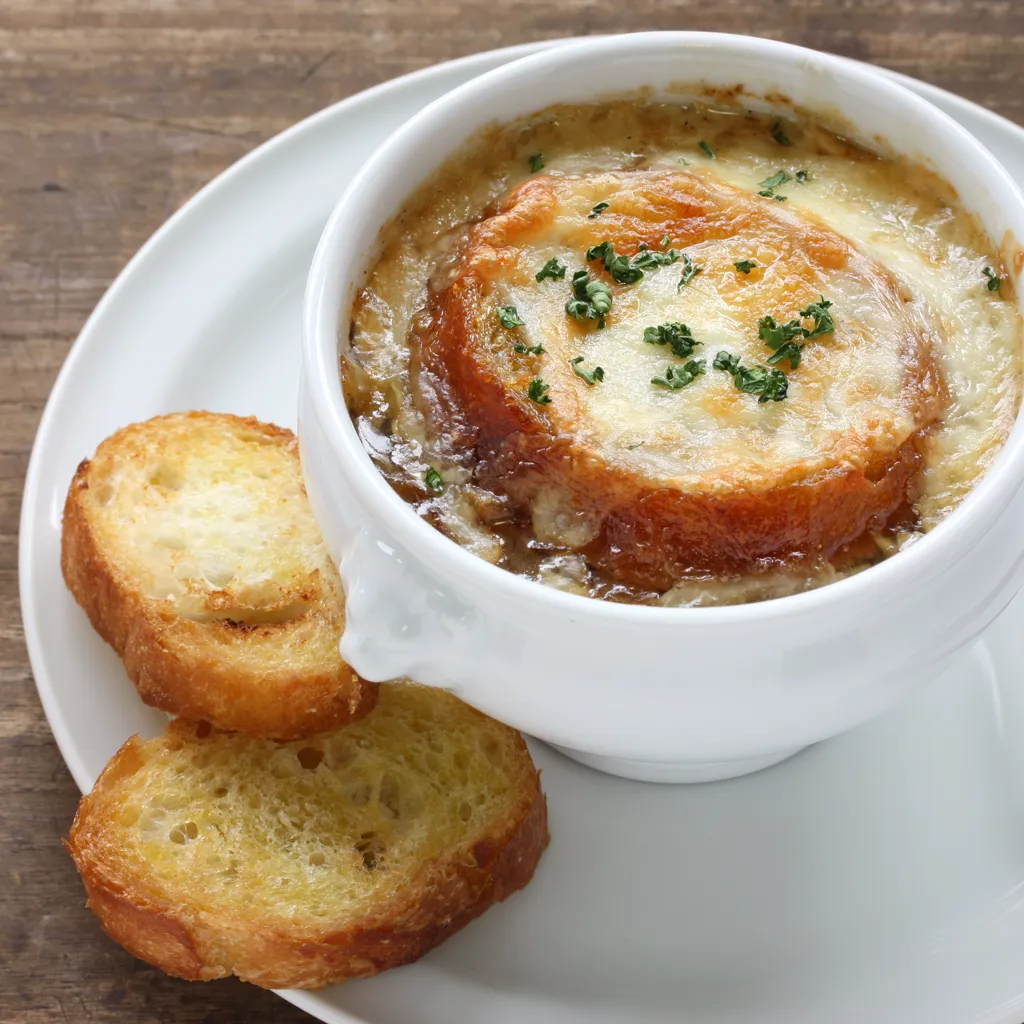
I burned the onions the first three times I made this. Seriously. The trick is low heat and a stupid amount of patience. You’re not frying them, you’re coaxing them into a state of sweet, jammy surrender. The rest is just good beef broth, a splash of wine, and that iconic cheesy, toasty baguette on top. It’s worth the tear-filled eyes, I promise.
4. Duck Confit.
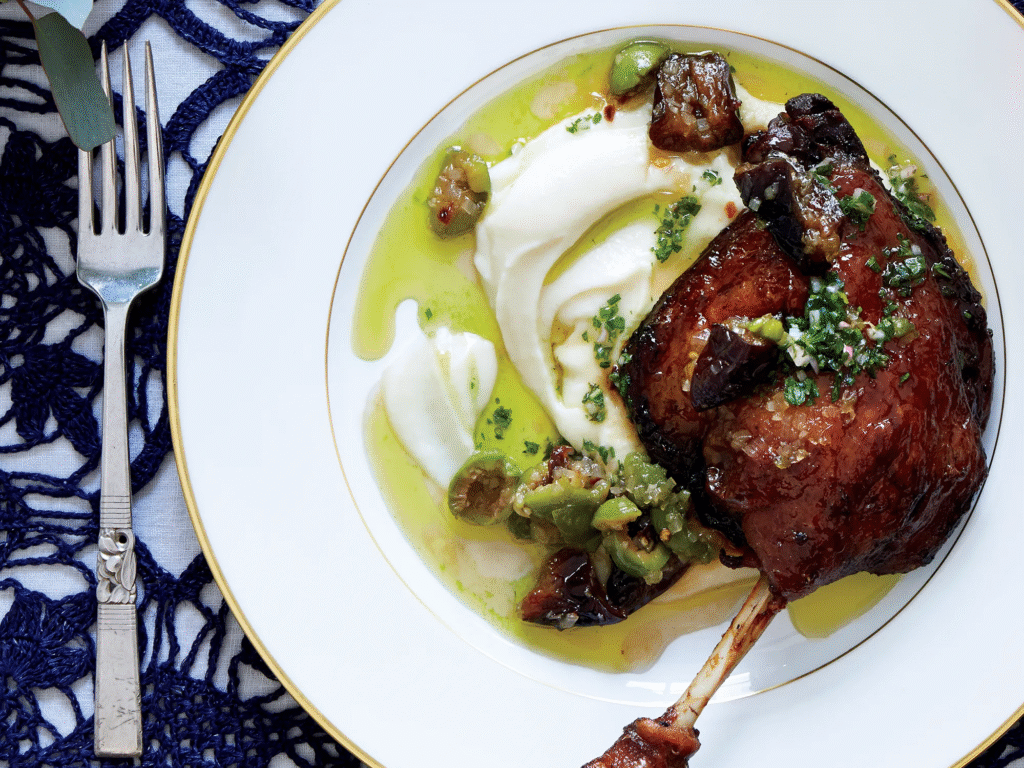
This sounds fancy, right? “Duck Confit.” But it’s one of the simplest things here. You salt duck legs, let them sit, then cook them submerged in duck fat for a few hours. The oven does all the work. The result? The most impossibly tender, flavorful meat and skin that shatters like glass. I save the leftover fat in a jar in the fridge—it’s secret weapon for roasting potatoes.
5. Ratatouille (the real way).
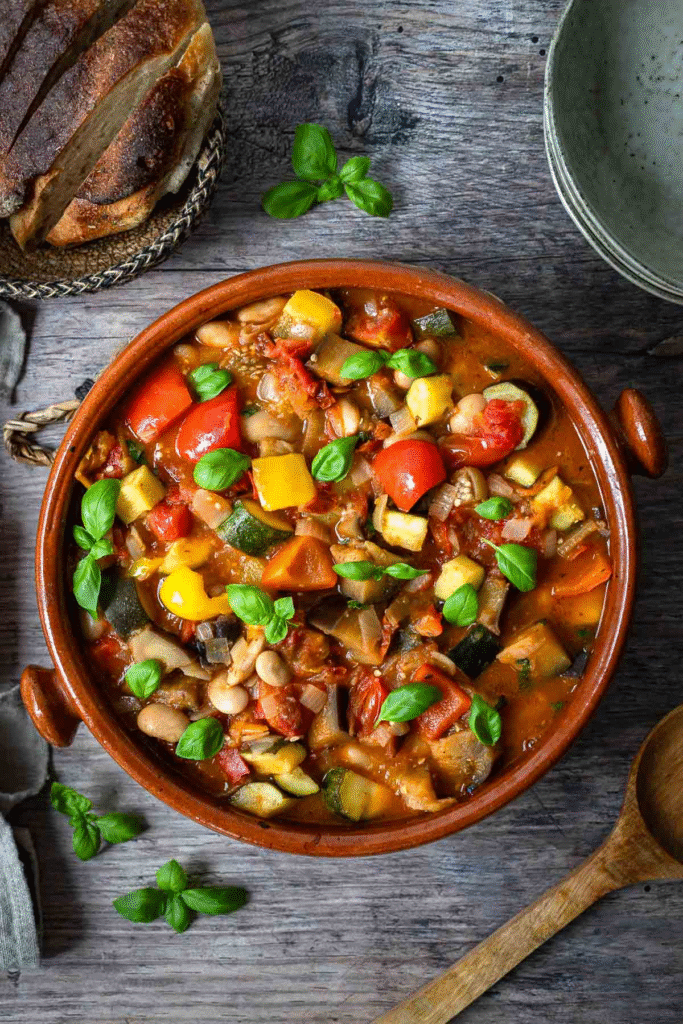
Forget the movie version for a second. The classic method isn’t about pretty spirals; it’s about chopping all the summer veggies—eggplant, zucchini, peppers, tomatoes—and stewing them together with herbs until they’re all one happy, flavorful mess. It tastes like sunshine. I eat it with a fried egg on top for dinner and it’s perfect.
6. Quiche Lorraine.
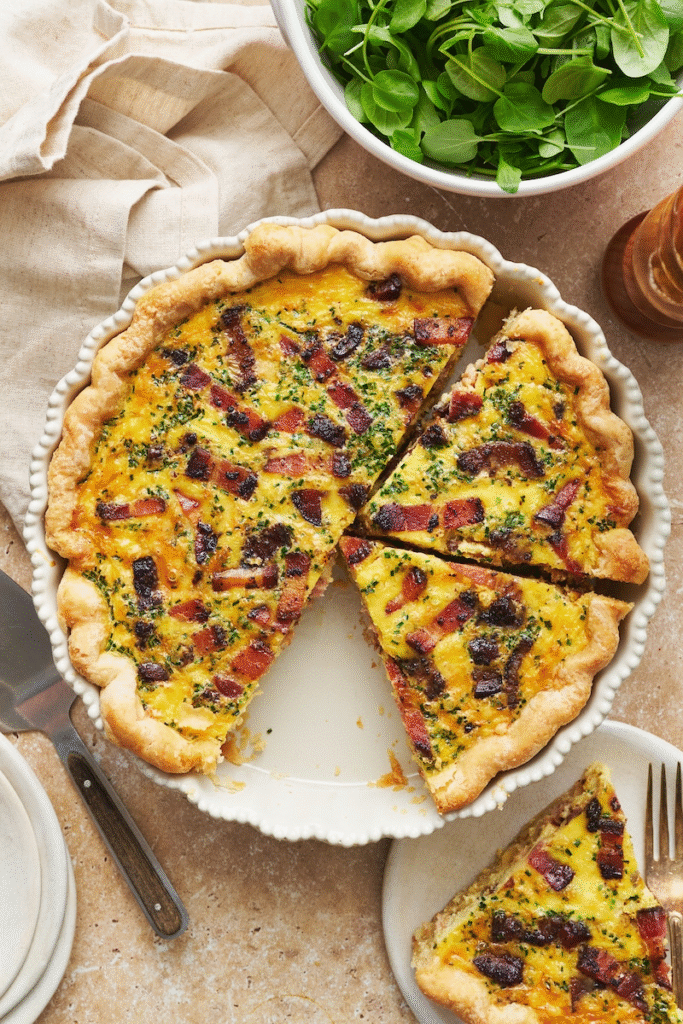
My mom’s quiche was always… dry. And the crust was soggy. It took me years to figure out why. Two things: First, you have to blind-bake the crust. No excuses. Second, the ratio is key. I use 2 whole eggs and 2 extra yolks to one cup of cream. It stays so creamy. And for the love of all that is holy, use real bacon and Gruyère cheese.
7. Boeuf Bourguignon.
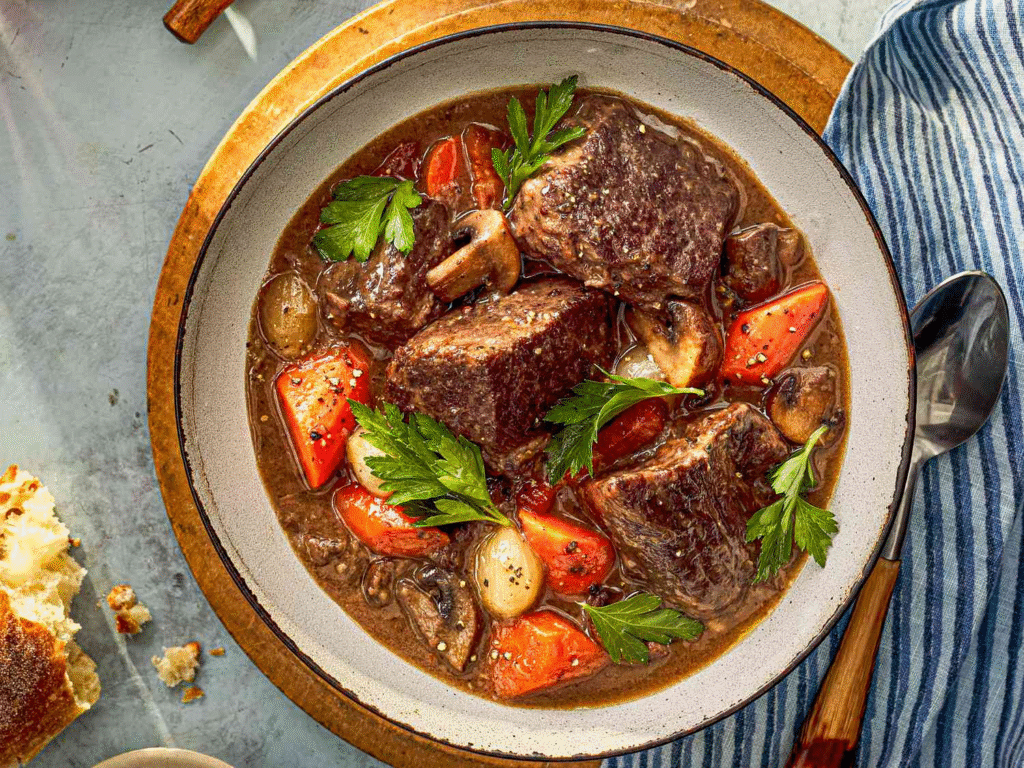
This is the ultimate Sunday project. It’s a beef stew, but like, the beef stew that won the lottery. You brown the beef (in batches! don’t crowd the pan!), deglaze with a whole bottle of wine, and let it braise for hours with mushrooms and pearl onions. The entire house will smell incredible. It’s famously better the next day, so make a big pot.
8. Sole Meunière.
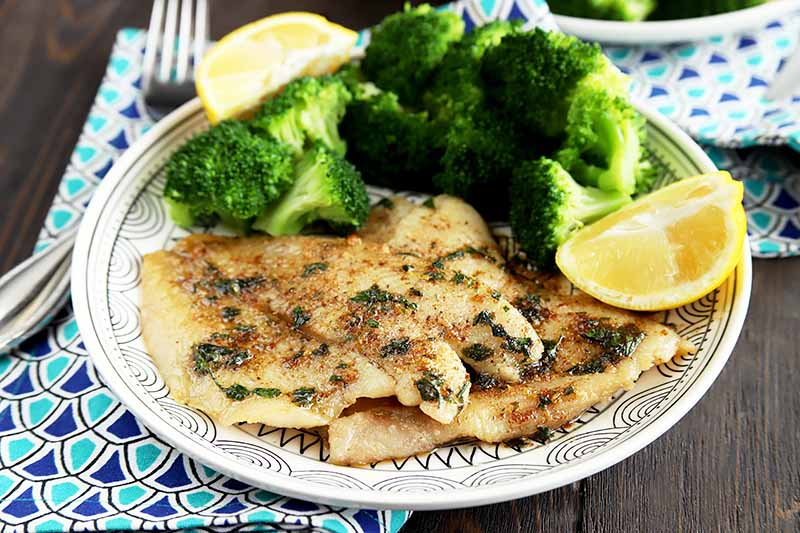
This dish is a lesson in simplicity. It’s just a delicate fish, dredged in flour, fried in butter, and served with a sauce of lemon, parsley, and more of that now-brown butter. It’s all about the technique. The fish should be lightly crisp outside, flaky inside. The sauce is bright and nutty. It feels fancy but comes together in 10 minutes.
9. The French Omelette.
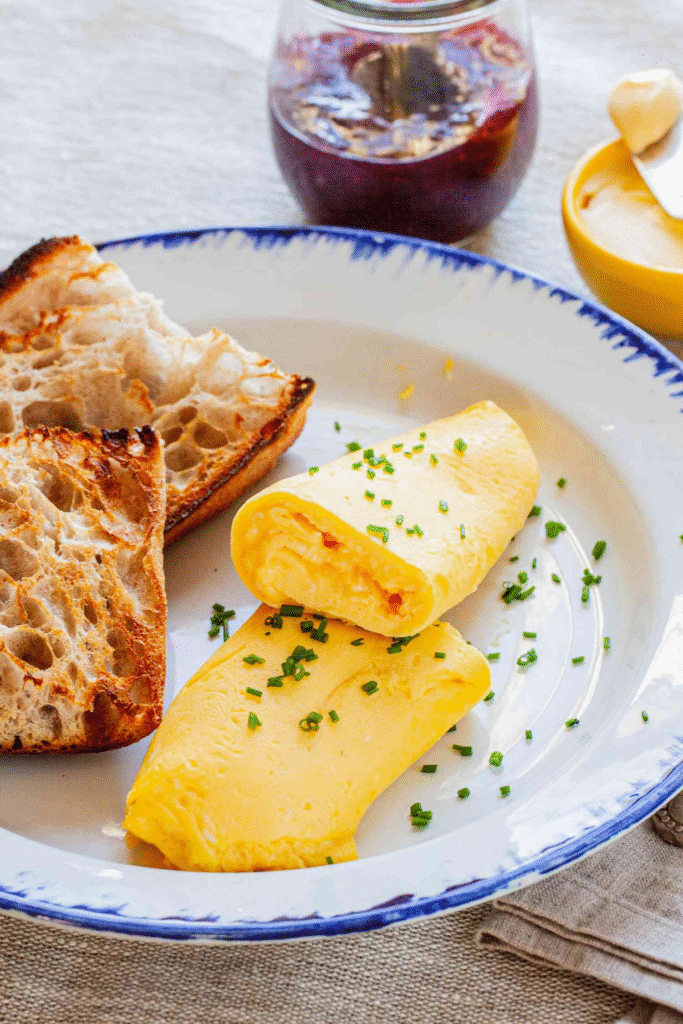
This is the test. A true French omelette is pale yellow, smooth as silk on the outside, and soft and barely set on the inside. No browning. No fillings. Just eggs, butter, salt, and technique. I must have made two dozen terrible, rubbery omelettes before I got one that Jacques Pépin wouldn’t scoff at. The key? Constant, gentle agitation in the pan with a fork. It’s a humbling, rewarding process.
10. And finally, Tartiflette.
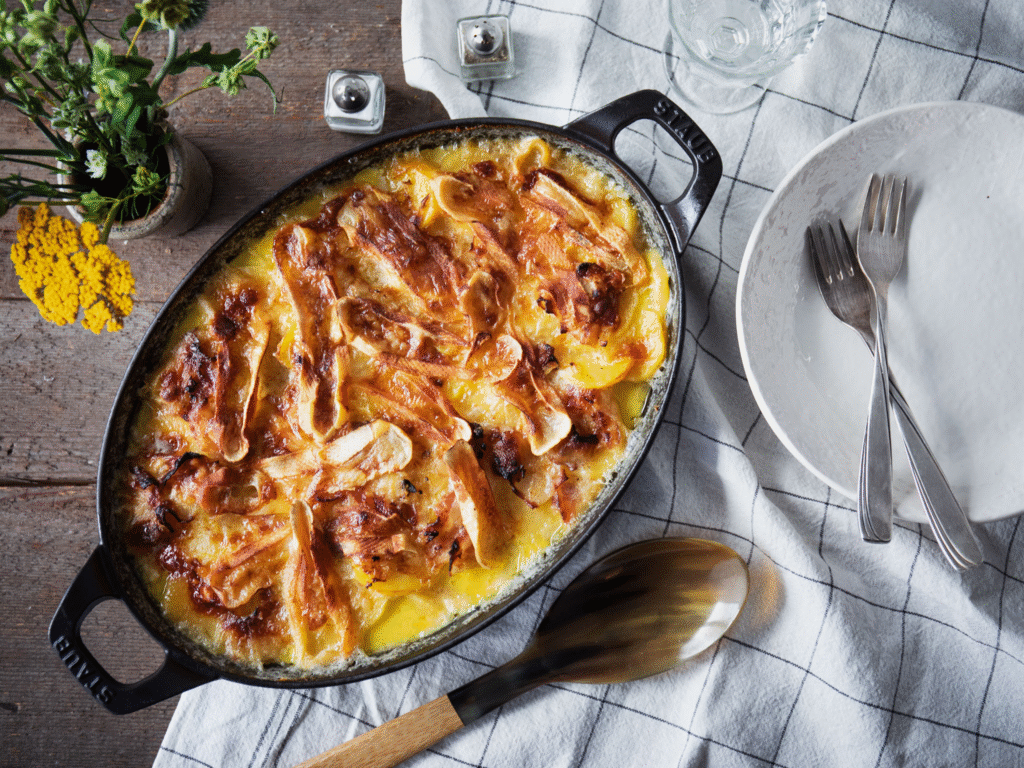
This is what you make after a cold day. It’s from the Alps, and it does not care about your cholesterol. It’s layers of potatoes, bacon, onions, and a whole wheel of Reblochon cheese that melts into a glorious, funky, bubbling mass. You eat it with a sharp salad and a dry white wine. It is not subtle. It is phenomenal.
So, what did I learn from all this?
Honestly? That the best French food isn’t about complicated techniques. It’s about quality ingredients and treating them with respect and letting onions caramelize slowly. Do not crowd the pan when you sear meat—use enough salt. My kitchen confidence skyrocketed once I stopped being scared of these recipes.
One thing I still mess up?
Hollandaise. I can’t be trusted with it. It’s my culinary white whale.
People always ask me: “Do I need special equipment?”
Not really. A heavy Dutch oven is a game-changer for the stews, and a good oven-safe skillet is key. But that’s it. I made do with cheap pans for years.